Gum Disease Treatment – Glastonbury, CT
Healthy Gums for a Healthier You
Plenty of people understand the importance of taking care of their teeth, but are surprised to learn that their connective tissues are equally significant. With that said, gum disease can be difficult to detect in its early stages, so it often progresses into more advanced stages, which pose additional risks to your dental health.
Thankfully, Dr. Carroll has the experience and technology to quickly identify and address any areas of concern. Continue reading to learn more about how we treat periodontal problems, and feel free to contact us to schedule an appointment!

Why Choose Carroll Family Dentistry LLC for Gum Disease Treatment?
- Insurance Accepted & Flexible Financing Available
- Patients of All Ages Welcome
- Prioritize Patient Comfort & Care
What is Gum Disease?
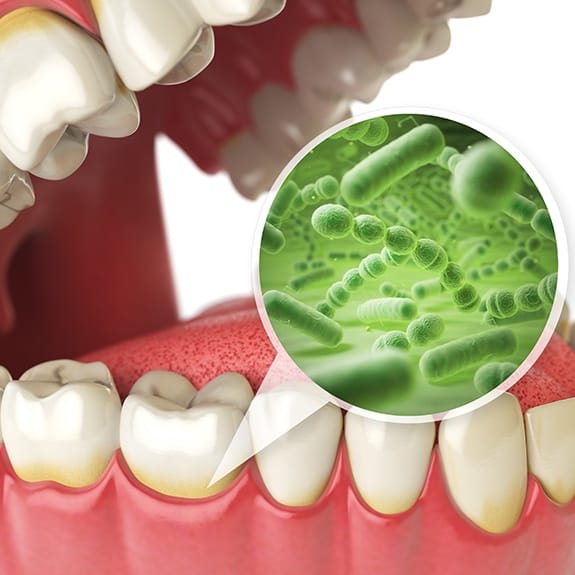
This condition occurs when bacteria in your mouth form plaque along your gumlines, which allows them to penetrate the tissues. This triggers an infection that can start out relatively small but grows increasingly more severe the longer it remains unaddressed.
There are two stages of gum disease. The earliest form, gingivitis, can often be halted or even reversed by flossing more consistently at home. However, the more advanced stage, periodontitis, often can be managed but not completely cured, and is the leading cause of permanent tooth loss in adults.
Symptoms of Gum Disease

You might not think gum disease is a big deal, but the truth is that it can lead to worsening oral and overall health concerns, such as tooth loss, diabetes, cardiovascular disease, stroke, pregnancy complications, and certain cancers, if left untreated.
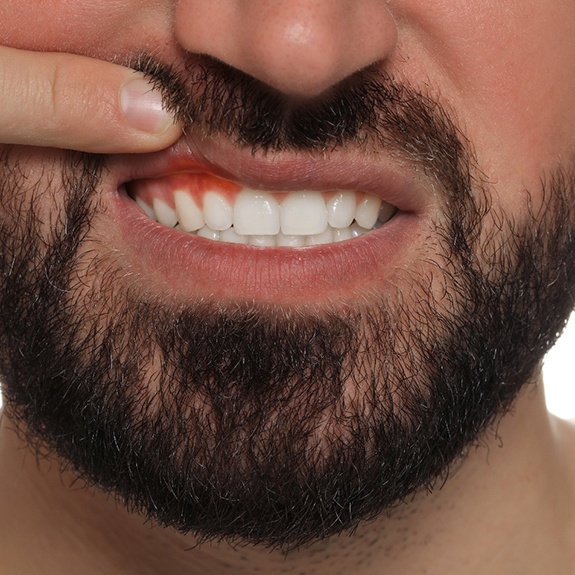
Understanding potential indicators of gum disease helps you know when it’s time to contact our office to schedule an appointment. Gingivitis typically presents with:
- Chronic bad breath (halitosis)
- Bleeding or oozing when brushing or flossing
- Darker red tissues
- Sensitivity or tenderness
- Swelling or inflammation
Then, as the infection progresses, you might experience symptoms of periodontitis, which can include:
- Pain, especially when biting or chewing
- Receding gums
- Increased sensitivity due to exposed roots of teeth
- Bite changes
- Loose or wobbly teeth
- Permanent tooth loss
How Do We Treat Gum Disease?
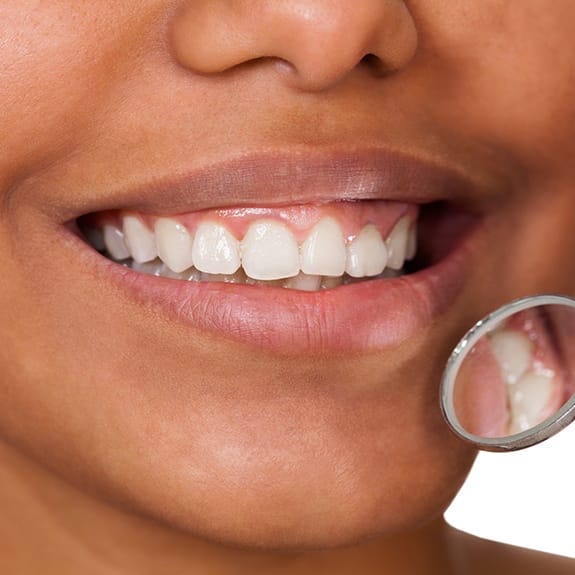
Our approach to gum disease is broken into two main categories: prevention and treatment. Regardless of your current condition, our team offers solutions to help maintain, repair, and improve your connective tissues to reduce the risk of tooth loss and other complications, which are outlined in more detail below.
Scaling & Root Planing
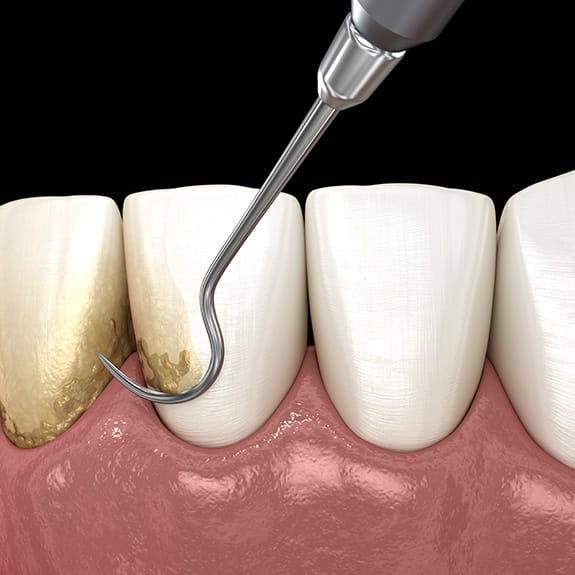
Scaling and root planing is a specialized treatment designed to eliminate infectious matter from compromised gums and help the soft tissue reintegrate with the dental roots. This can help prevent future infections as well as tooth loss and is often the best way to address moderate to severe gum disease. Here’s a quick look at how scaling and root planing works from the friendly team at Carroll Family Dentistry.
Do I Need Scaling & Root Planing?

If it is detected in its early stage called gingivitis, gum disease can usually be reversed by improving your oral hygiene and eating habits. However, more advanced soft tissue infections must be managed with professional treatments such as scaling and root planing. You may require this procedure if you exhibit signs of advanced gum infection like:
- Bleeding during brushing or flossing sessions
- Visible accumulations of plaque
- Bad breath that doesn’t go away after one or two thorough oral hygiene sessions
- Gum recession
- Swelling or puffiness of the gums
The Process of Scaling & Root Planing

This deep cleaning procedure typically requires at least two visits to complete from start to finish. During your first appointment, our team will examine your mouth to determine the type of gum disease present and the damage done. Then, we’ll use specialized dental instruments to carefully remove even the most stubborn plaque and tartar from your enamel and below your gumline. We’ll take the time to reach deep into the pockets to remove hidden germs so the tissue can heal.
During a second visit, we’ll gently smooth the surfaces of the roots of your teeth to discourage bacteria from forming new plaque deposits and encourage your soft tissues to reconnect to your enamel. Depending on the severity of your condition, we might recommend professional periodontal treatments every 3, 4, or 6 months for long-term maintenance.
Aftercare Tips for Scaling & Root Planing

You may need up to a few weeks to recover after receiving scaling and root planing. To minimize your discomfort and help your healing process go smoothly, keep the following instructions in mind:
- Rinse your mouth regularly with warm saltwater to soothe irritation and loosen food debris. Make saltwater by mixing a quarter teaspoon of salt into eight ounces of water.
- Be especially gentle when brushing or flossing around the treatment area. Be sure to use a soft-bristled brush and gentle, short, circular strokes to minimize stress to your soft tissues.
- Avoid hot, spicy, sweet, and acidic foods and beverages since they can irritate healing gum tissue.
- Stick to a soft diet for at least 48 hours after treatment.
- Refrain from intense exercise for a day or two after the procedure.
Antibiotic Treatment
We can also provide Arestin, an antibiotic that can be applied directly to the pockets in your connective tissue to treat periodontal infections. This is often offered in conjunction with scaling and root planning to prevent bacteria from regrowing after a deep cleaning, though it might also be offered as a standalone service in certain cases.
This antibiotic typically comes in powder form that adheres to your tissues when moistened and slowly releases medication over several weeks, which helps keep germs from flourishing beneath the surface of your gums.